

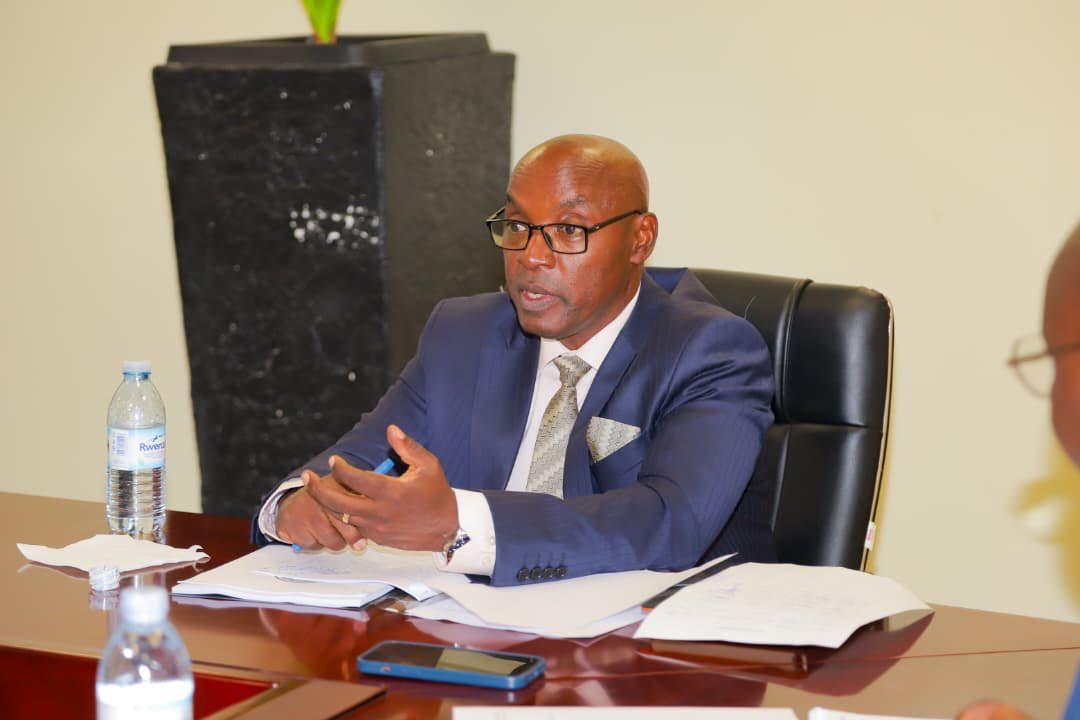
The Judiciary is stepping up reforms and accountability measures to tackle persistent case backlogs, following a review by the Judiciary Audit Committee with Chief Justice Justice Flavian Zeija.
The meeting highlighted challenges related to staffing, performance evaluation, and infrastructure, and outlined strategic measures to improve efficiency across courts.
Justice Zeija identified two main contributors to the backlog: individual judicial officer performance and staffing shortages.
“To address this gap, we introduced quarterly performance reviews requiring judicial officers to account for cases handled and resources utilised. Initially met with resistance, these reviews have now become institutionalised, improving accountability and helping reduce backlog,” he said.
Excessive caseloads were another concern, particularly under the session system, where judges may handle up to 40 cases in 40 days.
Reforms such as daily criminal hearings and pilot programmes targeting gender-based violence cases, supported by development partners, are being implemented to mitigate delays.
Justice Zeija recalled the “Marshall Plan,” initiated during his tenure as Principal Judge, which allocates additional sessions to high-volume stations including Mbarara, Jinja, and Gulu.
However, limited funding continues to restrict expansion. Staffing shortages extend beyond judicial officers to state attorneys and non-judicial personnel, prompting a review of deployment schedules for optimal use.
Infrastructure challenges also affect court efficiency. Substandard court buildings have led to delays, prompting the Judiciary to develop standardised designs, with local leaders and estate committees overseeing construction compliance.
Justice Zeija also flagged gaps in mentorship and training, noting that Uganda’s one-week induction for new judicial officers is shorter than neighbouring jurisdictions.
Plans are underway to extend induction to one month, equipping new officers with practical skills and improving staff welfare.
Committee Chairperson Retired Justice David K. Wangutusi reported that about 50% of cases are not resolved within constitutionally prescribed timelines, highlighting the backlog’s scale.
He also noted systemic challenges including weak bail management, limited retirement benefits for non-judicial staff, grounded or obsolete vehicles, and inadequate accessibility for persons with disabilities.
The meeting concluded with a shared commitment to implement reforms that enhance efficiency, accountability, and the overall administration of justice in Uganda.
